Connect with us

Films

V/H/S/99 (2022)

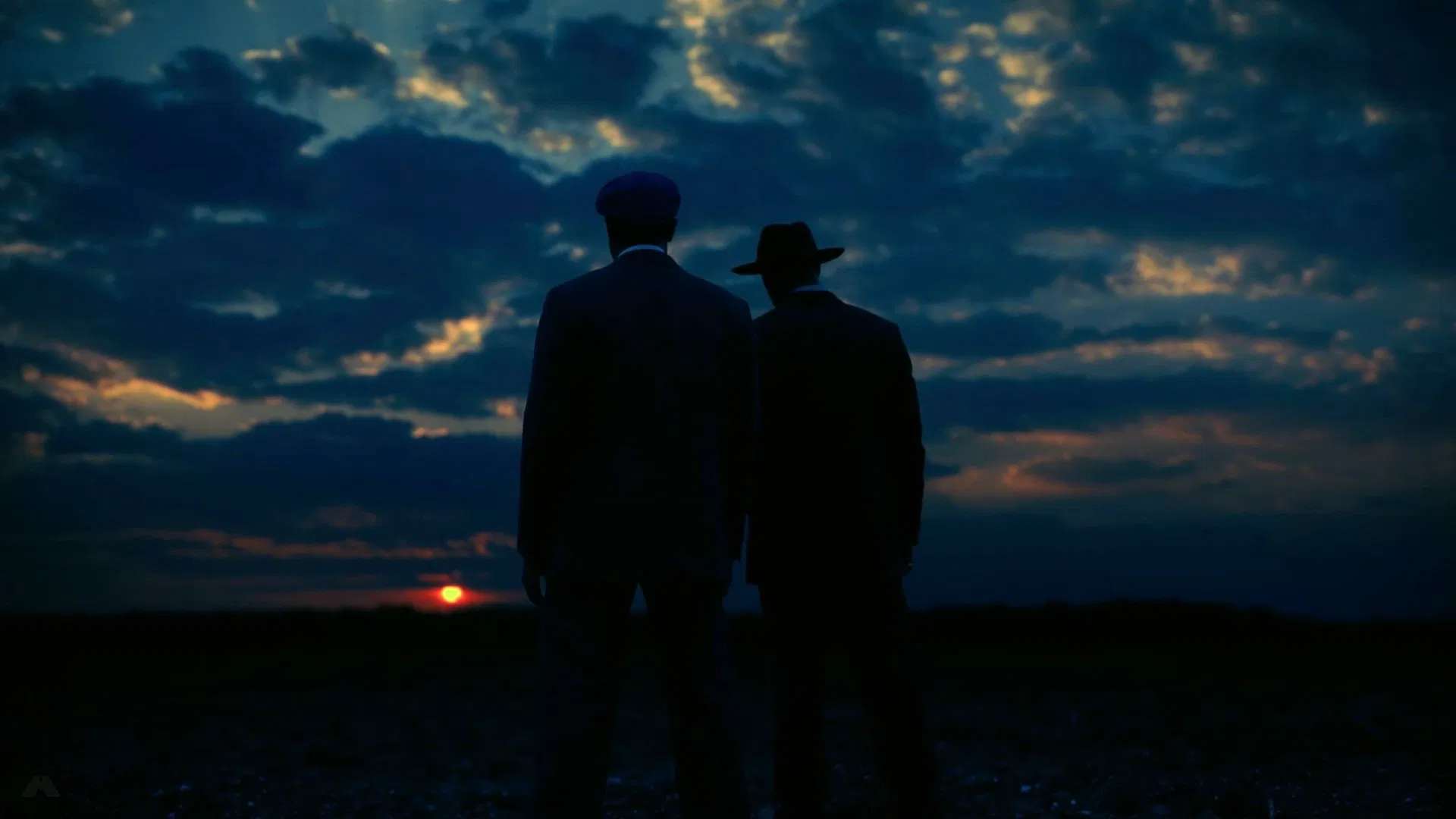
“V/H/S/99” is a great return to form for the series; it’s a blazing declaration of the enduring power of horror.

Published

on

V/H/S/99

“V/H/S/99” explodes onto the horror scene like a meticulously planned fireworks display gone rogue, showering its audience with sparks of creativity, terror, and unabashed nostalgia for a bygone era. This installment doesn’t just walk the line between horror and bizarreness; it cartwheels along it, throwing caution to the wind and embracing the outlandish with open arms. After navigating through the highs and lows of its predecessors, “V/H/S/99” emerges not just as a return to form but as a triumphant celebration of the series’ unique ability to both horrify and captivate.

“Shredding” kicks off the anthology with a raucous blend of punk rock anarchy and supernatural horror, a segment that’s as much a love letter to rebellion as it is a cautionary tale about the dangers lurking in the shadows of our ambitions. It’s like watching a band play their encore in a haunted venue, each chord strummed on the guitar echoing through the corridors of the unknown. The energy is palpable, the fear is real, and the finale is a crescendo that leaves you both exhilarated and a little afraid of the dark. “Shredding” isn’t just loved; it’s a frenetic, heart-pounding testament to the spirit of ’99.

“Suicide Bid” takes a decidedly darker turn, delving into the psychological depths of desperation and isolation with a precision that’s as unsettling as it is impressive. It’s a segment that wraps its cold fingers around the concept of survival, both physical and emotional, and squeezes tightly, forcing us to confront the monsters within. The narrative builds tension with the expertise of a tightrope walker, balancing on the thin line between dread and empathy. It’s good, not because it scares us, but because it reminds us of the resilience found in the darkest of places.

“Ozzy’s Dungeon” then catapults us into a diabolical game show from hell, blending nostalgia with nightmare in a concoction that’s as intoxicating as it is disturbing. It’s a segment that asks, “Remember the ’90s?” and then follows up with, “Wasn’t it terrifying?” The genius lies in its ability to twist the familiar into the horrifying, transforming childhood memories into sources of spine-tingling dread. “Ozzy’s Dungeon” is loved not just for its creativity but for its daring, for its willingness to dig up the skeletons of our collective pasts and dance with them in the moonlight.

“The Gawkers” takes the voyeuristic tendencies of the late ’90s and early ’00s to their logical, terrifying extreme. In a world where privacy is increasingly a myth, this segment stares unblinkingly into the abyss of obsession and the dehumanization of curiosity. It’s a mirror reflecting the darkest parts of our digital souls, a reminder that sometimes the monster is us, peering through the windows of our screens. Loved for its acute commentary and chilling execution, “The Gawkers” is a standout piece that resonates deeply in our constantly connected lives.

Finally, “To Hell and Back” dazzles with its commitment to practical effects, a love letter to the craft of horror filmmaking. It’s a segment that rolls up its sleeves and dives headfirst into the guts of the genre, emerging with a creation that’s as visually stunning as it is narratively compelling. The practical effects are just amazing; they’re a testament to the magic of horror, to the tangible terror that comes from something you can touch and feel. “To Hell and Back” is loved for its artistry, for its homage to the tactile nightmares that lurk in the shadows of our imagination.

“V/H/S/99” is a great return to form for the series; it’s a blazing declaration of the enduring power of horror. Each segment, from the anarchic energy of “Shredding” to the crafted terror of “To Hell and Back,” serves as a chapter in a love story written in blood and darkness. This anthology understands that horror is not just about scaring its audience; it’s about enchanting them, about drawing them into a world where the impossible becomes possible, and the night is always just beginning. “V/H/S/99” doesn’t just walk the line between horror and bizarreness; it dances along it, leaving us breathless and begging for more.

V/H/S/99 (2022)
4 ScreenDim Score
Summary
"V/H/S/99" is a great return to form for the series; it's a blazing declaration of the enduring power of horror.

Continue Reading
Click to comment

Leave a Reply

Your email address will not be published. Required fields are marked *

Films

Backrooms (2026)

Know the lore and there’s plenty to chew on. Don’t, and you’ll spend the best part of two hours watching a man being let down by a wall.

Published

on

Backrooms

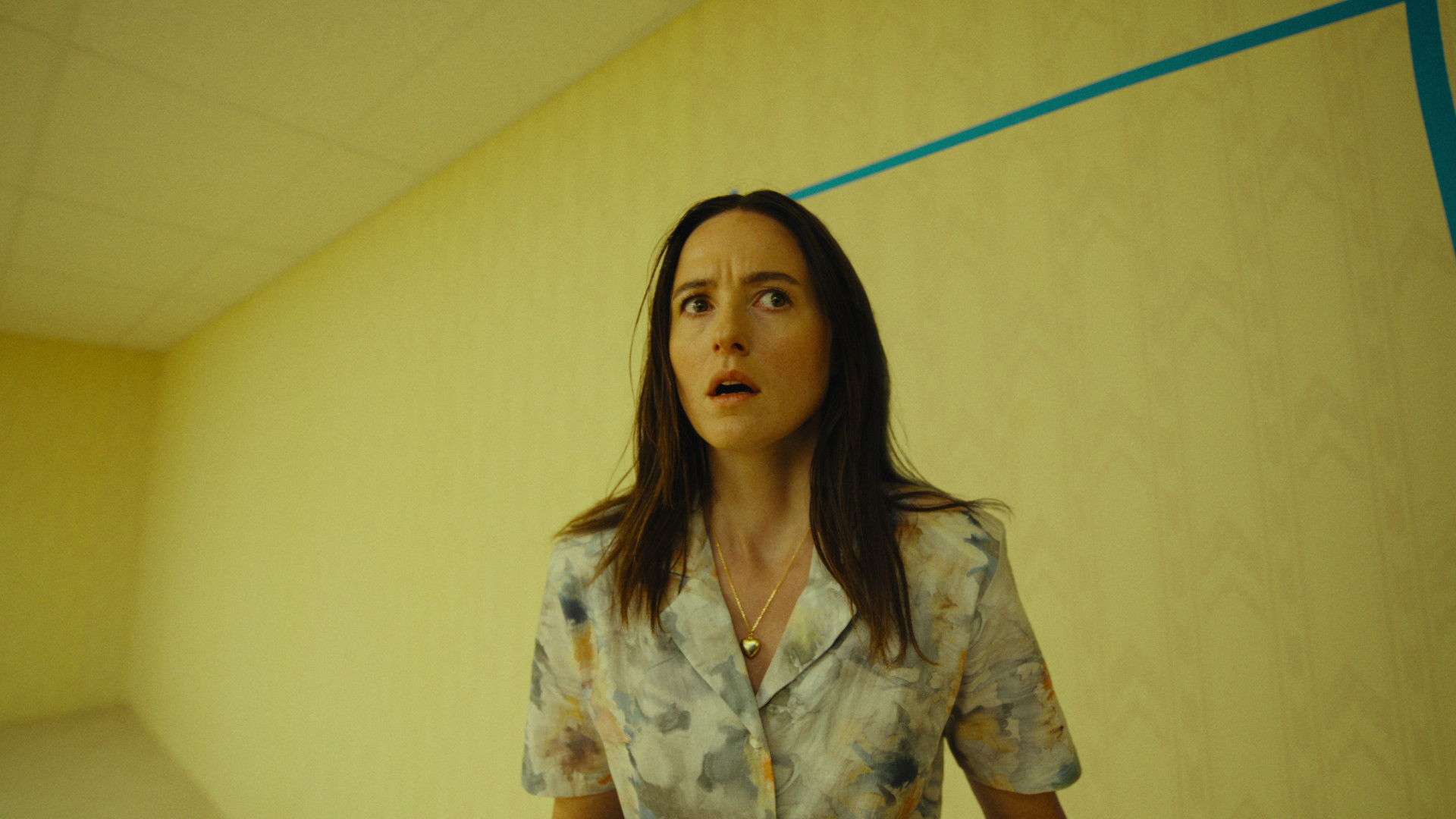
Have you ever been stuck in an office waiting room, or a job centre, or literally any furniture shop after 4pm on a wet Tuesday? You’ll know it when you think of a fluorescent bulb buzzing its own death rattle above your head, carpet the colour of pus, a hum you can’t place, and the slow but certain realisation that, yes, you’ve been here before, you’ve always been here, and nobody—nobody—is coming to collect you.

If that’s you, congratulations, you have experienced the Backrooms and I’ve just saved you twelve quid and a tepid cinema hot dog.

Because that is, essentially, the film. Backrooms, the movie, is 110 minutes of exactly that sensation, projected at you as a screen-size rectangle of piss yellow. Whether you walk out of the cinema stunned or in shambles depends on exactly one variable: how much homework did you do beforehand?

Here’s the thing—this is a gatekept film. It’s got at least a decade of internet mythology behind it. There are wiki entries, YouTube videos (ironically, where the director started) and endless fan-lore about “noclipping” out of reality and wandering through levels like a haunted IKEA. This film assumes you’ve already absorbed all of it. If you have, the film hums along on a frequency only you can hear. The damp corridors and sputtering lights are a little dog-whistle of recognition and you sit there, nodding like a berk, going “ah, yes, of course” while the uninitiated side-eye you like you’re speaking in tongues.

I only know this because I was that nodding berk. I’ve spent enough time on the internet to know the lore, so I sat in the dark feeling very smug and included. My partner, meanwhile, whom I had foolishly dragged along on the promise of “a scary one” spent the full one hour fifty minutes in a state of building bafflement. At about ninety minutes, she leaned over and ask, “is this it?” — that’s the review. That’s the whole film in three words, delivered by a lovely lady who was promised a monster and received a corridor.

And it IS a corridor, and endless one. The direction is competent enough—more than competent, really, I see why Kane Parsons is getting his reputation. There’s a genuine eye for the specific dread of empty office space, like a 1994 insurance firm from which every human has been quietly raptured mid-photocopy. The acting is fine. The story is there, technically, doing its best under the circumstances, though story is a generous word for what is largely a person walking toward a door and then reconsidering. It’s confusing in patches, but upon that there is a point of mercy—it’s not a fault. The confusion is the whole point. Complaining that Backrooms is disorienting is like complaining a swimming pool is damp. That’s what you’re paying for.

The monsters, when they finally decide to enter the shot, are perfectly acceptable. Nicely designed, nicely rendered, the sort of thing that would have you soiling your beanbag at fourteen. They even got the bloke from Alien: Romulus to portray one of them, which makes sense since the bloke is the size of a doorframe. But, and I stress this point, the film is not scary. It’s eerie, sure, it’s unsettling in the way a long, unexplained train journey is unsettling. But scares need rhythm, contrast, and Backrooms has committed so completely to its single droning note that by the time anything lurches out of the wallpaper you’re too hypnotised by the skirting board to flinch. It’s horror as ambient noise.

That brings us nicely to the real problem—one that isn’t the film’s fault at all—and it really annoys me that this review sits back-to-back with Sinners. The hype. Somewhere along the line the internet decided this was the next generational event, like a Citizen Kane of liminal dread, and so audiences are now trooping in expecting to have their skulls rearranged and then trooping out muttering “well, it was alright, I suppose” which is the single saddest sentence in the human language. Because it is alright, it’s fine. It would’ve made a fantastic season of Channel Zero. But it’s a perfectly serviceable, occasionally beautiful film about being lost in a building (and losing yourself) and it never once asked to be a masterpiece. We simply decided it had to be one and then took the hump when it turned out to be a solid seven.

So in conclusion, know the lore and there’s plenty to chew on. Don’t, and you’ll spend the best part of two hours watching a man being let down by a wall, which, now I think about it, is exactly what my wife was doing.

Overall, meh. But a really handsomely photographed meh.

Backrooms
4 ScreenDim Score

Continue Reading

Films

Sinners (2025)

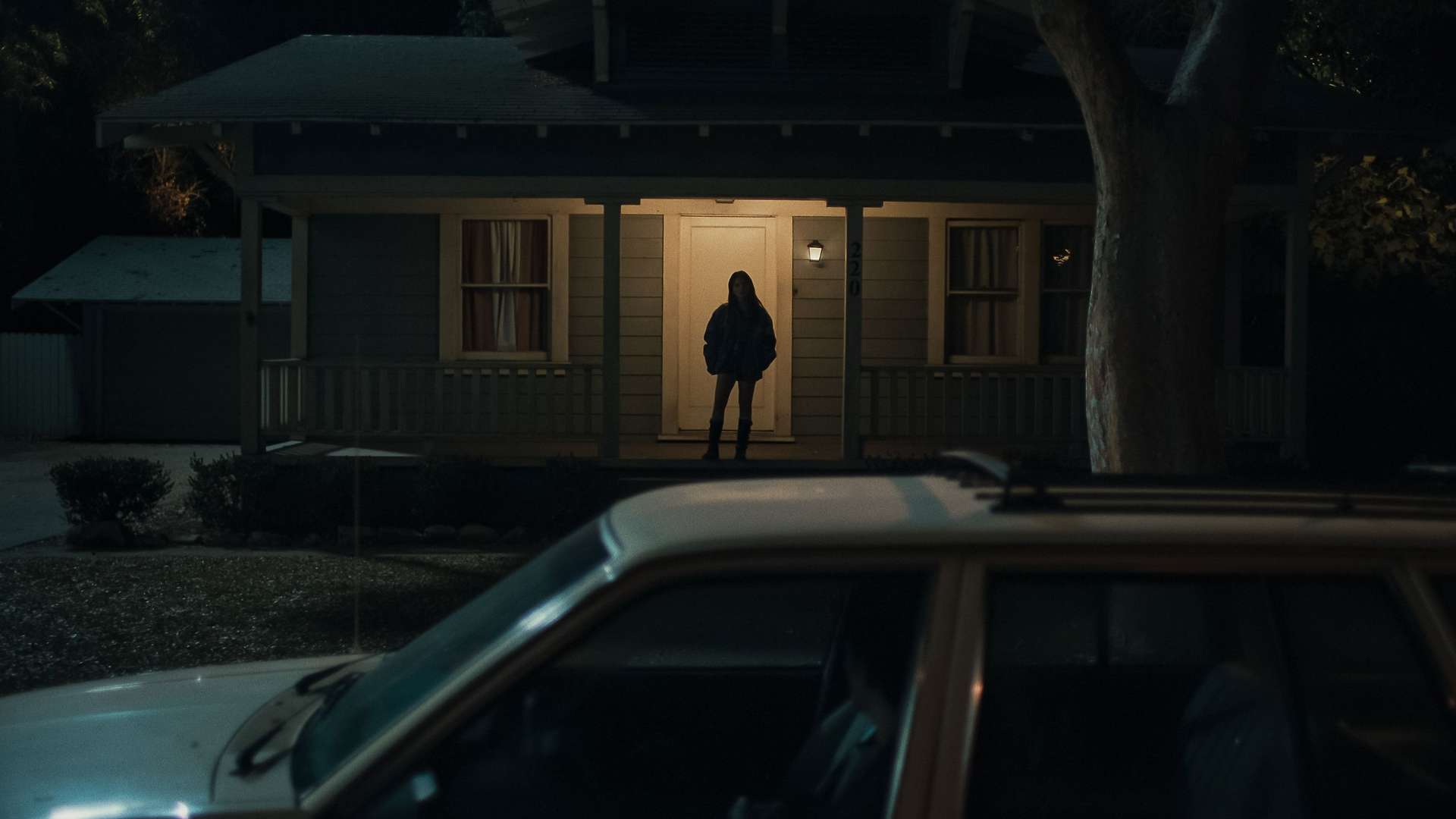
It’s fine, I suppose, but I don’t understand why everyone’s acting like it’s the greatest thing since sliced bread when it’s really more like adequately buttered toast.

Published

on

Sinners (2025)

Sinners is a perfectly adequate film – but that’s it, adequate.

It’s not completely shit. The acting is perfectly fine – nobody embarrasses themselves, nobody phones it in. Michael B. Jordan does his thing, everyone else does their thing, and things generally get done adequately. The music is surprisingly decent too, which is more than you can say for most films these days, where the soundtrack sounds like it was composed by someone having a nervous breakdown in a synthesiser shop.

But bloody hell, this thing is about 30 minutes too long. Maybe more. It’s like watching someone tell a perfectly good joke and then spend another half hour explaining why it was funny, complete with PowerPoint slides and audience participation segments.

You can feel where a decent 90-minute film is trying to escape from the bloated 2-hour monster it’s been trapped inside. The first 45 minutes is all set-up. Every scene goes on just a bit too long, every conversation includes about three more exchanges than necessary, and by the end you’re checking your watch wondering if time has actually stopped moving.

But there were three things in particular that bugged me about this film.

First up, we’ve got the classic “one person does something monumentally stupid that puts everyone at risk” scenario. In this case, someone invites the vampires in, because apparently nobody in this film has ever seen a vampire movie before. It’s like watching someone stick their hand in a blender and then acting surprised when it doesn’t end well.

Then there’s the antagonist, who spends precious time delivering what amounts to a TED talk about his evil plans instead of just getting on with the evil bit. Look mate, we get it, you’re the bad guy, you’ve got motivations and backstory and probably daddy issues. Just get on with the murdering, yeah? The monologuing thing stopped being clever sometime around the first Austin Powers film.

But here’s the really mental bit – even without all the villainous chat, the plan still makes no bloody sense. He’s going to burn anyway? What was the strategy there exactly? Stand around explaining things until sunrise? It’s like watching someone play chess by explaining their moves to their opponent for twenty minutes before actually making them.

The whole thing follows the “everyone gets laid and dies” formula with the reliability of a Swiss watch. You can practically tick them off: character development, bit of romance, sexy times, immediate death. It’s so predictable you could set your calendar by it.

The setting and costumes are fine enough – period pieces generally look good because someone’s put effort into making sure the buttons are historically accurate and the dirt is appropriately distributed. But looking nice isn’t the same as being interesting, which seems to be something this film hasn’t quite grasped.

What’s most frustrating is that there’s clearly a decent film buried somewhere in this overstretched mess. Strip away the padding, tighten up the pacing, maybe don’t have your villain explain his entire life story before getting down to business, and you might have something actually worth watching.

Instead, we get a film that’s been hyped to the bloody moon by people who seem to think “adequate” is the new “brilliant.” Everyone’s acting like this is some kind of game-changing masterpiece, when it’s really just a perfectly serviceable vampire film that’s been inflated like a balloon at a children’s party.

The hype is the real problem here. When everyone’s telling you something is revolutionary cinema, you go in expecting your socks to be knocked clean off. Instead, your socks remain firmly in place, possibly even more securely attached than when you started.

Look, if you go in with properly managed expectations – thinking you’re going to see a decent enough vampire film with good production values and competent performances – you’ll probably have a perfectly acceptable time. If you go in expecting the sort of groundbreaking cinema everyone’s been promising, you’re going to come out wondering what all the fuss was about.

It’s fine, I suppose, but I don’t understand why everyone’s acting like it’s the greatest thing since sliced bread when it’s really more like adequately buttered toast.

Sinners (2025)
3.5 ScreenDim Score

Continue Reading

Films

Bring Her Back (2025)

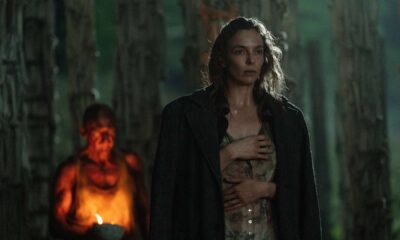
“Bring Her Back” is like a horror film that’s been assembled from really good individual scenes without anyone checking whether they actually fit together into a coherent whole.

Published

on

Bring Her Back

This horror film has more unexplained mysteries than a David Lynch fever dream, but at least the gore is properly mental.

SPOILER WARNING: Loads of spoilers here.

Don’t get me wrong – this isn’t complete shite. The gore is properly brutal, the kind that makes you wince and immediately check that all your limbs are still attached. The performances are genuinely solid across the board. And Laura, the main antagonist, is the sort of character you absolutely love to hate, like a particularly effective parking warden or someone who talks loudly on their phone in quiet train carriages.

But Christ alive, the story makes about as much sense as a chocolate teapot in a sauna.

Laura apparently kidnaps Oliver from his bedroom, according to a missing poster. Now, I’m no expert on child abduction, but last time I checked, scaling buildings and making off with random children isn’t exactly a beginner-level criminal activity. Did she just happen to have a ladder handy? Cat burglar training? A very understanding Uber driver? The film doesn’t bother explaining how someone manages to nick a kid from what we can assume is a family home without anyone noticing.

And speaking of Oliver – or Connor, or whatever his name is this week – how exactly did he get possessed in the first place? Did the demon put in an application? Was there an interview process? A background check? The film treats demonic possession like it’s as common as catching a cold, but never bothers explaining how any of this supernatural bollocks actually works.

Then there’s the question of whether Laura actually murdered Andy and Piper’s dad, or if that was just convenient manipulation. Because if she did kill him, that raises a whole other set of questions about her murder methodology. If she didn’t, then what are the odds she’d randomly acquire a kid who happens to be both female and partially blind? That’s not luck, that’s winning the evil plot lottery.

And where the hell are all the mothers? Andy’s mother – no idea what happened to her. Piper’s mum – no idea what happened to her. We find out Andy’s dad is a bit of a dick so are we meant to assume he was abusive to both mothers and they both leave without the kids? What the hell happened there?

The more you think about the logistics of what’s supposed to have happened, the more your brain starts to hurt. It’s like trying to solve a jigsaw puzzle where half the pieces are missing and the other half are from a completely different box.

But here’s the thing – when the film stops trying to make sense and just gets on with being properly horrific, it actually works quite well. The knife scene is absolutely brutal, the kind of thing that makes you grateful you’re watching it on a screen rather than having to clean up afterwards. The table eating scene is similarly mental – properly disturbing in all the right ways.

And the actors – fair play to them – they sell the hell out of this confused narrative. They’re committed to making this mess feel real, even when the plot is doing backflips to avoid explaining itself. Laura, in particular, is brilliantly hateable. She’s the sort of antagonist who makes you genuinely invested in seeing her get her comeuppance, which is no small achievement when you’re working with material that’s held together with narrative duct tape.

“Bring Her Back” is like a horror film that’s been assembled from really good individual scenes without anyone checking whether they actually fit together into a coherent whole. It’s got all the right ingredients – decent acting, proper gore, genuinely creepy moments – but it’s been mixed together by someone who’s apparently never heard of things like “logic” or “cause and effect.”

Review 0
4 ScreenDim Score

Continue Reading

Trending