Connect with us

Films

Until Dawn (2025)

David F. Sandberg’s time-loop horror clusterfuck is like watching someone play Russian Roulette with a Rubik’s Cube whilst being chased by a photocopier that’s achieved sentience and developed a taste for human flesh

Published

on

Until Dawn

Right, let me get this straight. Someone at Sony Pictures looked at a video game about teenagers being systematically murdered by supernatural bastards on a snowy mountain and thought: “You know what this needs? More death. Specifically, the same death. Over and over again. Like a horrific breakfast cereal commercial directed by the Marquis de Sade.”

And somehow, against all cosmic logic and basic narrative physics, they’ve gone and made it work.

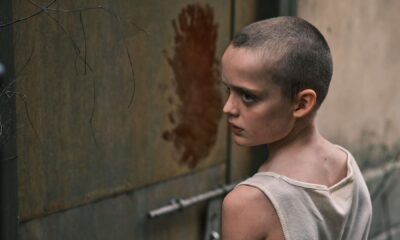
“Until Dawn” – the film, not the game that spawned it like some digital parasitic twin – is what happens when you cross “Groundhog Day” with “The Descent” and then feed the resulting abomination a steady diet of energy drinks and expired painkillers. It’s a time-loop horror film that functions like a demented slot machine: pull the lever, watch beautiful people die horribly, rinse, repeat, occasionally win a stuffed wendigo.

I will say, right off the bat, I went into it expecting it to be an adaptation of the game, which threw me off at first. But the more I thought about it, the more the film grew on me.

The premise is beautifully, almost pornographically simple. A group of attractive young people – because ugly people apparently don’t get trapped in supernatural time loops, which seems discriminatory but there we are – venture into a remote valley searching for a missing sister. They find themselves in what appears to be a visitor centre designed by someone who clearly studied architecture at the University of Obviously This Is A Trap. Come nightfall, they’re systematically butchered by various threats that change with each reset like a Netflix algorithm that’s developed homicidal tendencies.

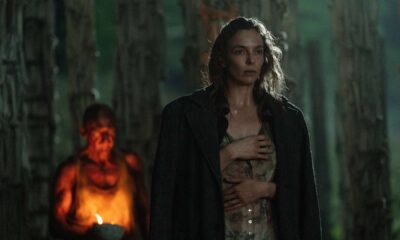
One night it’s a masked slasher straight out of central casting’s “Generic Killer” department. The next, it’s wendigos that look like someone fed a deer through a paper shredder and then reassembled it using only spite and terrible life choices. Then there are creatures that emerge from the ground like the world’s worst surprise party, and at one point – and this is genuinely inspired lunacy – the water itself becomes weaponised, turning people into human fireworks displays that would make “Scanners” weep tears of jealous admiration.

Director David F. Sandberg, previously responsible for making us all afraid of light switches in “Lights Out,” has essentially created a horror film that functions like a particularly sadistic choose-your-own-adventure book, except the reader is unconscious and the choices are being made by a committee of psychopaths with a fetish for dramatic irony.

The genius of it – and yes, I’m using the word “genius” about a film where people repeatedly die because they make the sort of decisions that would embarrass a concussed lemming – is that it shouldn’t work. Time-loop films are notoriously difficult to pull off without becoming either insufferably repetitive or so convoluted they require a PhD in theoretical physics to follow. “Until Dawn” sidesteps this by embracing the repetition and making it the point. Each reset isn’t just a do-over; it’s a completely different flavour of nightmare, like a box of chocolates curated by H.P. Lovecraft.

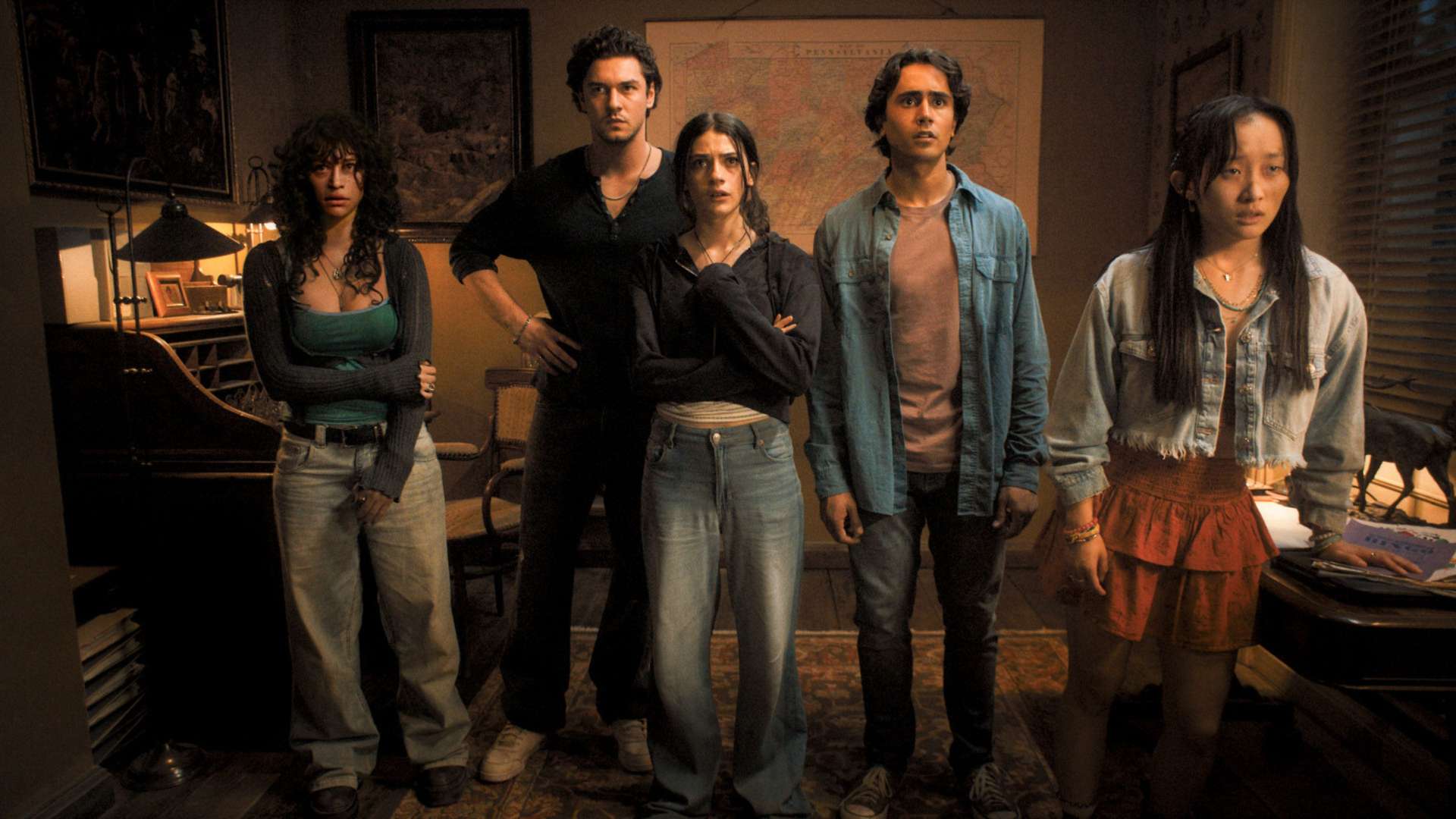
The film gleefully acknowledges its own absurdity. When your protagonists realise they’re trapped in what amounts to a supernatural game of musical chairs where the music is screaming and the chairs are made of teeth, the only sensible response is to lean into the madness. Ella Rubin’s Clover navigates this recursive hellscape with the sort of determined practicality you’d normally associate with someone trying to assemble IKEA furniture whilst being periodically attacked by bears.

The supporting cast – Michael Cimino, Odessa A’zion, Ji-young Yoo, and Belmont Cameli – manage to avoid the typical trap of horror protagonists, namely being so insufferably stupid that you find yourself rooting for the monsters. These characters actually learn from their mistakes, which in a time-loop scenario is like watching evolution in fast-forward, except with more dismemberment.

Peter Stormare returns from the original game, presumably because someone at Sony realised that if you’re going to make a film this aggressively bonkers, you need at least one actor who can deliver exposition about supernatural curses whilst maintaining the sort of gravitas normally reserved for Shakespearean soliloquies about the nature of existence.

The film’s greatest achievement is its gleeful embrace of B-movie sensibilities whilst maintaining enough technical sophistication to prevent it from descending into pure camp. It’s horror comfort food – familiar enough to be satisfying, strange enough to keep you engaged, and just bloody enough to remind you that yes, people are definitely dying here, even if they’ll be back in twenty minutes looking confused and slightly dishevelled.

Critics have complained about the repetitive nature, which is rather like criticising a washing machine for being circular. The repetition IS the point. Each loop reveals new layers of the mythology, new aspects of the threat, new ways for attractive people to meet spectacularly unpleasant ends. It’s like watching someone slowly peel back the layers of an onion, except the onion is made of nightmares and occasionally explodes.

The film’s relationship with its source material is refreshingly pragmatic. Rather than attempting a slavish adaptation that would essentially be a ten-hour game compressed into ninety minutes of confusion, Sandberg and writers Gary Dauberman and Blair Butler have created something that exists in the same universe whilst telling its own story. It’s the difference between a cover version and a remix – technically related, but serving different purposes.

Where the game relied on player choice to drive narrative tension, the film substitutes the random brutality of fate. You can’t save these characters through careful decision-making; you can only watch them adapt, learn, and slowly piece together the rules of their particular corner of hell. It’s oddly liberating, like watching someone else navigate a particularly vindictive video game whilst you eat crisps and shout unhelpful advice.

The wendigos deserve special mention as perhaps the most effectively realised movie monsters in recent memory. They move with the sort of predatory grace that suggests they’ve studied ballet but only the parts involving sudden, violent movement. When they emerge from the shadows – and they do emerge, frequently and enthusiastically – they bring with them a sense of ancient hunger that makes even the jump scares feel earned rather than cheap.

The film’s structure allows for a surprising amount of world-building without resorting to tedious exposition dumps. Each reset reveals new details about the valley’s history, the nature of the curse, and the various supernatural entities that call this place home. It’s environmental storytelling at its most effective – you learn about this world by watching people die in it repeatedly, which is both darkly comic and oddly efficient.

The special effects work is impressively practical, with CGI used to enhance rather than replace physical effects. When people explode – and they do explode, magnificently – it feels appropriately messy and consequential. The various monsters are tactile, weighty things that occupy space convincingly rather than looking like expensive screensavers.

What elevates “Until Dawn” above its B-movie origins is its understanding that repetition, rather than being narrative death, can be narrative rebirth. Each loop functions as both climax and setup, ending and beginning. It’s a film that eats its own tail and somehow manages to grow stronger in the process.

The climax, when it finally arrives, feels genuinely earned rather than arbitrary. The characters have learned enough about their situation to make informed choices, and the audience has seen enough variations to appreciate the significance of their final gambit. It’s like watching someone finally solve a Rubik’s Cube after you’ve seen them fumble with it for ninety minutes, except the cube is cursed and solving it incorrectly results in death by supernatural entities.

“Until Dawn” succeeds by being precisely as complicated as it needs to be and no more. It’s a film that knows exactly what it is – a gleefully violent playground for exploring variations on familiar themes – and executes that vision with the sort of confident craftsmanship that makes even the most ridiculous moments feel oddly plausible.

The film’s greatest magic trick is making you forget you’re watching the same basic scenario repeated with variations. By the third or fourth loop, you’re not thinking about repetition; you’re thinking about possibility. What new horror will tonight bring? How will the characters adapt? Which familiar face will die in an entirely new and creative way?

“Until Dawn” is a film that shouldn’t work, made by people who clearly understand exactly why it shouldn’t work, who then proceed to make it work anyway through sheer bloody-minded commitment to their own demented vision. It’s like watching someone successfully perform surgery with a spoon – technically inadvisable, practically impossible, but undeniably impressive when pulled off with sufficient skill and audacity.

In a landscape of horror films that often prioritise innovation over execution, “Until Dawn” succeeds by taking familiar elements and arranging them in combinations that feel both nostalgic and fresh. It’s a film that respects its audience’s intelligence whilst never forgetting that sometimes the best horror comes from the simplest premise executed with maximum conviction.

The result is a film that works precisely because it embraces its own absurdity without ever winking at the audience. It’s sincere about its own ridiculousness, committed to its own chaos, and confident enough in its own premise to trust that audiences will follow it down whatever rabbit holes it chooses to explore.

“Until Dawn” is proof that sometimes the best way to avoid repeating past mistakes is to repeat them intentionally, with style, until they become something entirely new. It’s a film that transforms repetition from weakness into strength, familiarity into freshness, and death into the beginning of possibility.

In short, it’s bloody brilliant.

Continue Reading
Click to comment

Leave a Reply

Your email address will not be published. Required fields are marked *

Films

Obsession (2026)

It’s a very old joke told exceptionally well by someone who understood (correctly) that the joke was always secretly a horror story.

Published

on

Obsession

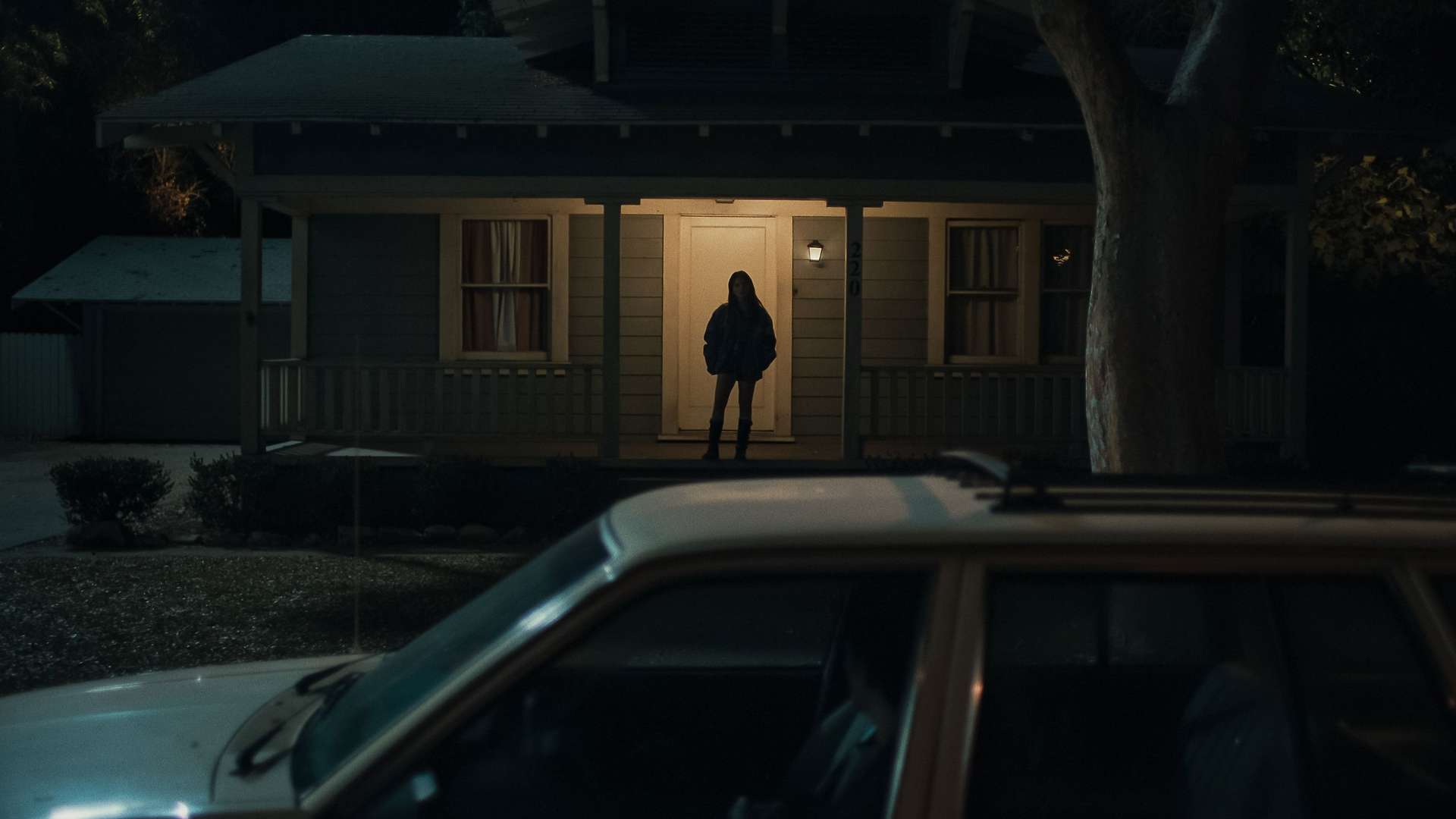
We’ve all done it. Some idle Tuesday, midway through your third scroll past a photograph of someone who is never, ever going to love you, you’ll have caught yourself thinking: but what if they just… did? What if the universe, in a rare fit of generosity, simply reached down and rewired another human being’s heart so that it beat — helplessly, permanently — for you? It’s a lovely little fantasy. It lasts about four seconds, until your conscience turns up like a disappointed PE teacher. And it is, once you’ve stripped the wallpaper off, quite possibly the single most horrifying thing a person can wish for. Which is precisely the wallpaper Curry Barker has stripped, with enormous relish, in Obsession.

Here is the pitch, and I’d like you to notice how ancient it is. Lonely lad fancies girl. Lonely lad acquires cursed novelty tat — here a “One Wish Willow”, which is essentially a monkey’s paw that’s been to a farmers’ market — and wishes that girl would love him more than anyone else alive. Girl duly does. That’s it. That’s the monkey’s paw: the oldest, mouldiest, most-thumbed premise in the entire horror cupboard, the one W.W. Jacobs coughed up in 1902 and which everyone from Tales from the Crypt to The Simpsons has been quietly reheating ever since. If you have ever owned a television, you have seen this story roughly nine hundred times. There is nothing new here. Nothing.

…and yet.

What Barker grasps — and what the old portmanteau spook-shows never quite allowed themselves to — is that the monkey’s paw was always more upsetting than Creepshow or Tales from the Crypt were willing to let it be. Those were morality tales delivered with a wink: a greedy toff gets his comeuppance, the Crypt Keeper cackles, roll credits, everyone’s home in time for cocoa. Obsession declines the wink. It takes the identical setup and then simply refuses to look away, following the wish clean past its ironic punchline and into genuinely distressing country, where “she loves you now” curdles into something nearer to a hostage situation. Nikki (played by Inde Navarrette, who is frankly doing more acting than the budget strictly paid for) flickers between adoring Stepford girlfriend and something with far too many teeth, and the film’s real horror isn’t the violence. It’s the ghastly logic of a person whose entire self has been overwritten to want you. It’s the ex who won’t leave, who keys your car, dialled up to cosmic.

And yeah, it’s funny. You’ll laugh, you’ll feel faintly weird about laughing, and here’s the reassuring part: that’s entirely the point. Barker is a sketch comedian by trade — one half of a YouTube double act, which is apparently now a legitimate route to a feature deal, God help us all — and the humour is deliberate to the last twitch. It’s the awful little comedy of a man too polite and too quietly pleased with himself to undo the catastrophe he’s personally ordered, fussing about the edges of a nightmare he technically requested at the till. It’s the specific cringe of watching someone receive exactly what they asked for and slowly realise they now have to live inside it. Think less “jump scare”, more “watching a mate dig himself into a hole at a party while you’re powerless to intervene”. The laughs and the dread aren’t fighting each other. They’re the same muscle.

The genuinely staggering bit, the thing destined for the trivia bins for years, is that this entire nasty little marvel was assembled for roughly the price of a mid-range hatchback, under a million dollars, and has since gone and made several hundred million. Because the ticket-buying public have finally twigged that they’d rather watch one good idea executed with conviction than the ninth sequel to something with a colon in the title (ARE YOU LISTENING, HOLLYWOOD?). Between this and the whole Backrooms racket, we appear to be living through the year that cinema remembered “cheap and confident” comprehensively beats “expensive and frightened”.

Is it a masterpiece? Nah, of course not. It’s a very old joke told exceptionally well by someone who understood (correctly) that the joke was always secretly a horror story. It sags in the middle, where the lad’s passivity tips over from “characterisation” into “why are you still just standing there, you berk”, and if you march in demanding novelty you’ll trudge out grumbling, because the bones of this thing are older than your nan. But go in wanting a lean, mean, genuinely horrible little cautionary tale, propped up by a properly unnerving central performance and a nasty streak of comedy, and you’ll have a grand old time feeling appalled.

Recommended — just don’t go to watch it with your crush. Awkward.

Obsession (2026)
4 ScreenDim Score

Continue Reading

Films

Backrooms (2026)

Know the lore and there’s plenty to chew on. Don’t, and you’ll spend the best part of two hours watching a man being let down by a wall.

Published

on

Backrooms

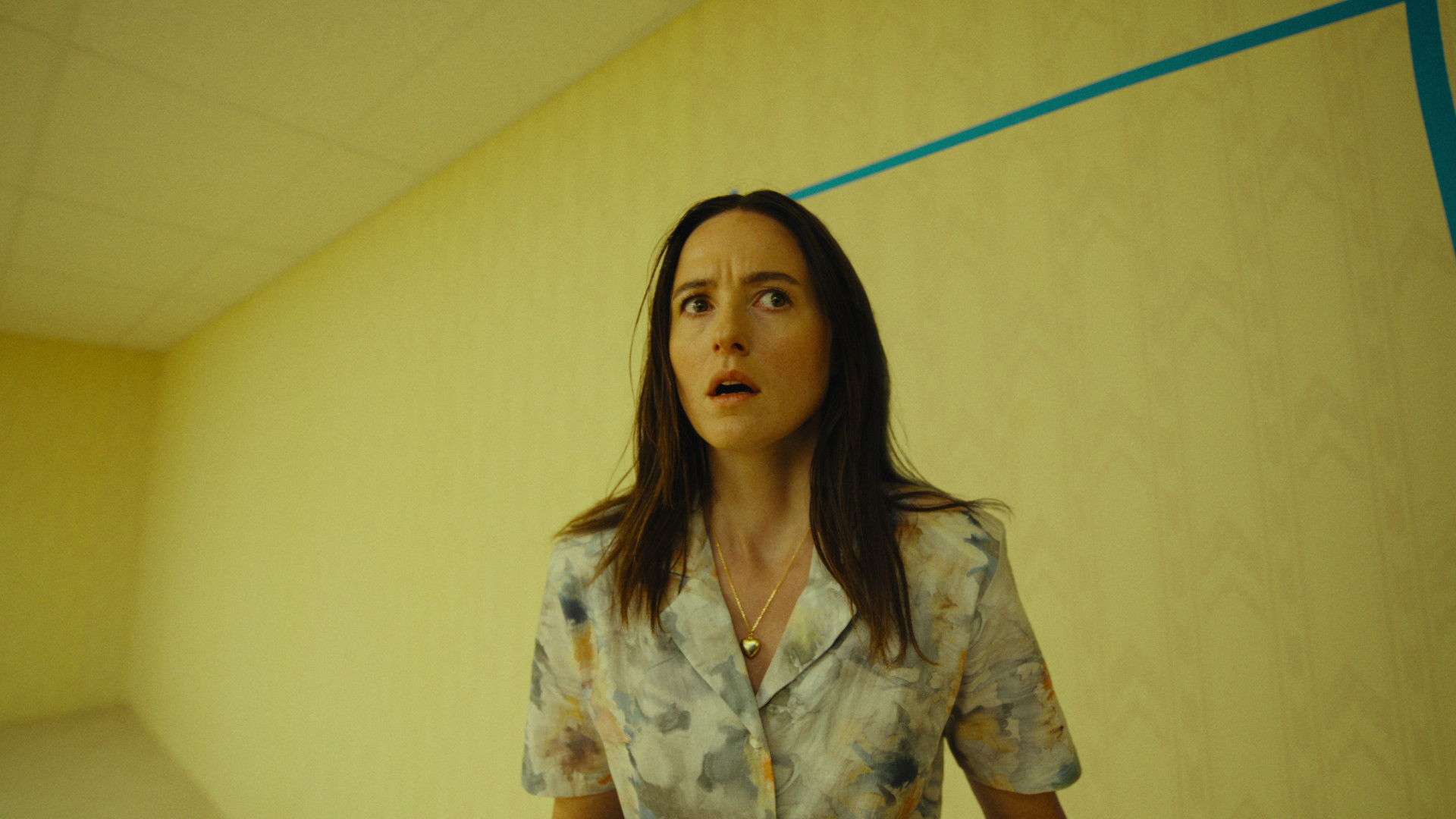
Have you ever been stuck in an office waiting room, or a job centre, or literally any furniture shop after 4pm on a wet Tuesday? You’ll know it when you think of a fluorescent bulb buzzing its own death rattle above your head, carpet the colour of pus, a hum you can’t place, and the slow but certain realisation that, yes, you’ve been here before, you’ve always been here, and nobody—nobody—is coming to collect you.

If that’s you, congratulations, you have experienced the Backrooms and I’ve just saved you twelve quid and a tepid cinema hot dog.

Because that is, essentially, the film. Backrooms, the movie, is 110 minutes of exactly that sensation, projected at you as a screen-size rectangle of piss yellow. Whether you walk out of the cinema stunned or in shambles depends on exactly one variable: how much homework did you do beforehand?

Here’s the thing—this is a gatekept film. It’s got at least a decade of internet mythology behind it. There are wiki entries, YouTube videos (ironically, where the director started) and endless fan-lore about “noclipping” out of reality and wandering through levels like a haunted IKEA. This film assumes you’ve already absorbed all of it. If you have, the film hums along on a frequency only you can hear. The damp corridors and sputtering lights are a little dog-whistle of recognition and you sit there, nodding like a berk, going “ah, yes, of course” while the uninitiated side-eye you like you’re speaking in tongues.

I only know this because I was that nodding berk. I’ve spent enough time on the internet to know the lore, so I sat in the dark feeling very smug and included. My partner, meanwhile, whom I had foolishly dragged along on the promise of “a scary one” spent the full one hour fifty minutes in a state of building bafflement. At about ninety minutes, she leaned over and ask, “is this it?” — that’s the review. That’s the whole film in three words, delivered by a lovely lady who was promised a monster and received a corridor.

And it IS a corridor, and endless one. The direction is competent enough—more than competent, really, I see why Kane Parsons is getting his reputation. There’s a genuine eye for the specific dread of empty office space, like a 1994 insurance firm from which every human has been quietly raptured mid-photocopy. The acting is fine. The story is there, technically, doing its best under the circumstances, though story is a generous word for what is largely a person walking toward a door and then reconsidering. It’s confusing in patches, but upon that there is a point of mercy—it’s not a fault. The confusion is the whole point. Complaining that Backrooms is disorienting is like complaining a swimming pool is damp. That’s what you’re paying for.

The monsters, when they finally decide to enter the shot, are perfectly acceptable. Nicely designed, nicely rendered, the sort of thing that would have you soiling your beanbag at fourteen. They even got the bloke from Alien: Romulus to portray one of them, which makes sense since the bloke is the size of a doorframe. But, and I stress this point, the film is not scary. It’s eerie, sure, it’s unsettling in the way a long, unexplained train journey is unsettling. But scares need rhythm, contrast, and Backrooms has committed so completely to its single droning note that by the time anything lurches out of the wallpaper you’re too hypnotised by the skirting board to flinch. It’s horror as ambient noise.

That brings us nicely to the real problem—one that isn’t the film’s fault at all—and it really annoys me that this review sits back-to-back with Sinners. The hype. Somewhere along the line the internet decided this was the next generational event, like a Citizen Kane of liminal dread, and so audiences are now trooping in expecting to have their skulls rearranged and then trooping out muttering “well, it was alright, I suppose” which is the single saddest sentence in the human language. Because it is alright, it’s fine. It would’ve made a fantastic season of Channel Zero. But it’s a perfectly serviceable, occasionally beautiful film about being lost in a building (and losing yourself) and it never once asked to be a masterpiece. We simply decided it had to be one and then took the hump when it turned out to be a solid seven.

So in conclusion, know the lore and there’s plenty to chew on. Don’t, and you’ll spend the best part of two hours watching a man being let down by a wall, which, now I think about it, is exactly what my wife was doing.

Overall, meh. But a really handsomely photographed meh.

Backrooms
4 ScreenDim Score

Continue Reading

Films

Sinners (2025)

It’s fine, I suppose, but I don’t understand why everyone’s acting like it’s the greatest thing since sliced bread when it’s really more like adequately buttered toast.

Published

on

Sinners (2025)

Sinners is a perfectly adequate film – but that’s it, adequate.

It’s not completely shit. The acting is perfectly fine – nobody embarrasses themselves, nobody phones it in. Michael B. Jordan does his thing, everyone else does their thing, and things generally get done adequately. The music is surprisingly decent too, which is more than you can say for most films these days, where the soundtrack sounds like it was composed by someone having a nervous breakdown in a synthesiser shop.

But bloody hell, this thing is about 30 minutes too long. Maybe more. It’s like watching someone tell a perfectly good joke and then spend another half hour explaining why it was funny, complete with PowerPoint slides and audience participation segments.

You can feel where a decent 90-minute film is trying to escape from the bloated 2-hour monster it’s been trapped inside. The first 45 minutes is all set-up. Every scene goes on just a bit too long, every conversation includes about three more exchanges than necessary, and by the end you’re checking your watch wondering if time has actually stopped moving.

But there were three things in particular that bugged me about this film.

First up, we’ve got the classic “one person does something monumentally stupid that puts everyone at risk” scenario. In this case, someone invites the vampires in, because apparently nobody in this film has ever seen a vampire movie before. It’s like watching someone stick their hand in a blender and then acting surprised when it doesn’t end well.

Then there’s the antagonist, who spends precious time delivering what amounts to a TED talk about his evil plans instead of just getting on with the evil bit. Look mate, we get it, you’re the bad guy, you’ve got motivations and backstory and probably daddy issues. Just get on with the murdering, yeah? The monologuing thing stopped being clever sometime around the first Austin Powers film.

But here’s the really mental bit – even without all the villainous chat, the plan still makes no bloody sense. He’s going to burn anyway? What was the strategy there exactly? Stand around explaining things until sunrise? It’s like watching someone play chess by explaining their moves to their opponent for twenty minutes before actually making them.

The whole thing follows the “everyone gets laid and dies” formula with the reliability of a Swiss watch. You can practically tick them off: character development, bit of romance, sexy times, immediate death. It’s so predictable you could set your calendar by it.

The setting and costumes are fine enough – period pieces generally look good because someone’s put effort into making sure the buttons are historically accurate and the dirt is appropriately distributed. But looking nice isn’t the same as being interesting, which seems to be something this film hasn’t quite grasped.

What’s most frustrating is that there’s clearly a decent film buried somewhere in this overstretched mess. Strip away the padding, tighten up the pacing, maybe don’t have your villain explain his entire life story before getting down to business, and you might have something actually worth watching.

Instead, we get a film that’s been hyped to the bloody moon by people who seem to think “adequate” is the new “brilliant.” Everyone’s acting like this is some kind of game-changing masterpiece, when it’s really just a perfectly serviceable vampire film that’s been inflated like a balloon at a children’s party.

The hype is the real problem here. When everyone’s telling you something is revolutionary cinema, you go in expecting your socks to be knocked clean off. Instead, your socks remain firmly in place, possibly even more securely attached than when you started.

Look, if you go in with properly managed expectations – thinking you’re going to see a decent enough vampire film with good production values and competent performances – you’ll probably have a perfectly acceptable time. If you go in expecting the sort of groundbreaking cinema everyone’s been promising, you’re going to come out wondering what all the fuss was about.

It’s fine, I suppose, but I don’t understand why everyone’s acting like it’s the greatest thing since sliced bread when it’s really more like adequately buttered toast.

Sinners (2025)
3.5 ScreenDim Score

Continue Reading

Trending